

[ CASE STUDY ]
Eyewear AI Search Case Study
How an Eyewear Brand Accelerated Visibility Across Search, Reviews, and AI-Led Comparisons
In just 3 days, using only 23 targeted engagements, this campaign generated an estimated $155,531.07 in monthly branding value. That included $38,822.57 in organic keyword value and $116,708.50 in LLM cited-pages value.
Methodology Note
Directional estimate based on tracked keyword visibility, combined monthly search volume, and paid search benchmark value. Not exact attribution.
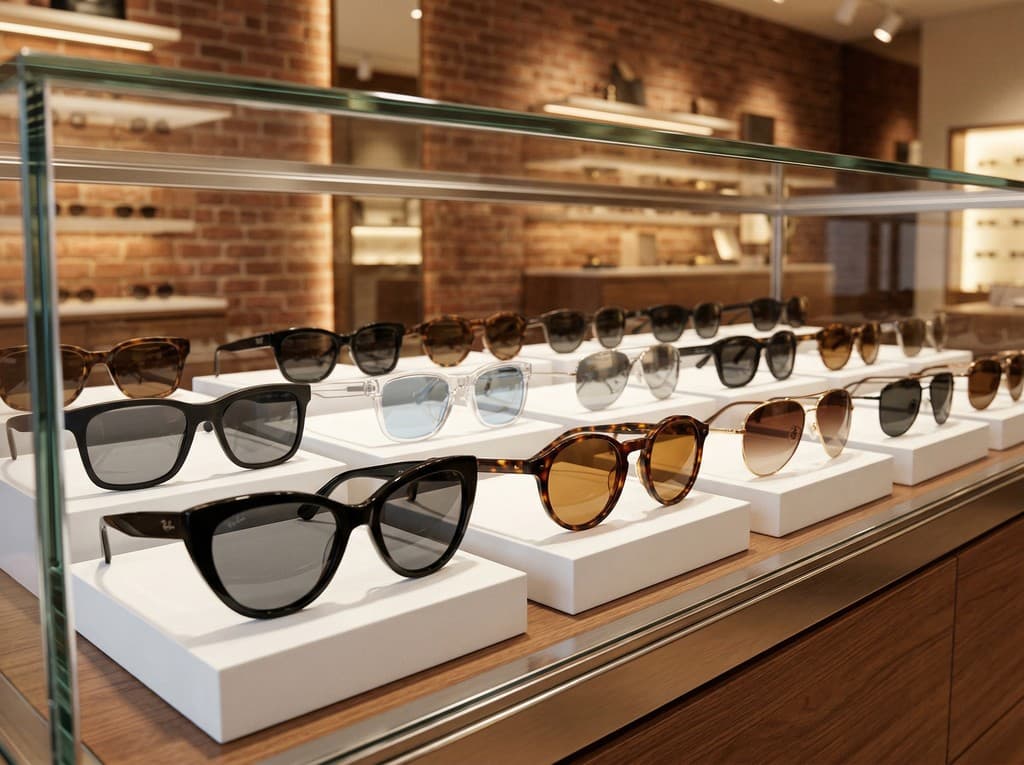
For eyewear brands, speed matters because shoppers do not move through a long, linear buying journey. They compare styles, lens options, prices, and retailer credibility quickly, often moving between Google, reviews, creator content, and AI-generated summaries before making a purchase decision. In that environment, efficient visibility gains can influence revenue-driving moments fast. This campaign was built around that buying behaviour. Rather than spreading effort broadly, CiteWorks Studio focused a limited number of high-intent engagements on the third-party sources most likely to shape shopper confidence and AI-generated recommendations. The result was a faster, more efficient expansion of the brand’s visibility across the places where eyewear purchase decisions are actually made.
[ KEY OUTCOMES ]
Results at a Glance
Achieved in 3 days with only 23 engagements:
31
cited pages influenced in 5 days
23
high-authority citation opportunities activated during the pilot
984
high-value keywords ranking in Google’s top 10
1,429
total keywords with expanded visibility
[ MARKET CONTEXT ]
What Changed in the Market
The eyewear category now spans both search-led and recommendation-led discovery. Shoppers still use Google to compare retailers, lens options, and brands, but they also rely on public discussions, creator reviews, and AI-generated summaries before making a purchase.
That shift matters because AI systems often draw from the same public sources shoppers already trust. A brand can rank well in traditional search and still lose visibility at the recommendation stage if it is missing from the discussions, reviews, and authority-led sources shaping those decisions.
In eyewear, trust affects purchase behaviour directly. Shoppers want validation that a retailer is credible, that lens options are worth considering, and that other buyers have had reliable experiences before they buy.
[ THE CHALLENGE ]
What the Brand Needed
The brand did not simply need more rankings. It needed stronger visibility in the places that influence buying confidence. That required improving three commercial signals:
Competitive Visibility
Expanding presence in the environments where shoppers compare brands and decide which retailer feels most trustworthy
Citation Strength
Improving representation across the public sources AI systems use when generating comparisons and recommendations
Discovery Presence
Appearing more often in high-intent conversations around eyewear shopping, retailer comparison, lens options, and purchase validation
The aim was not just to rank higher, but to become easier to find, easier to validate, and harder to overlook during the purchase journey.
[ OUR APPROACH ]
What We Did
Targeted the conversations already shaping eyewear purchases
The programme focused on discussion threads already ranking on Google page 1, where shoppers were actively comparing eyewear brands, products, and buying decisions. Placements were aligned to the topics most likely to influence conversion, including legitimacy checks, lens replacement, style validation, transition lenses, and retailer experiences.
Expanded brand presence across trusted review and creator environments
CiteWorks Studio ran a two-channel activation across an online community forum and a social media platform. The campaign introduced relevant brand mentions into existing discussions and creator-led spaces where eyewear reviews, unboxings, and lens comparisons were already attracting shopper attention.
Measured commercial visibility through trackable signals
Stakeholders received a centralized dashboard with live activation links, keyword targets tied to each placement, positioning data, engagement signals, Google page-one context, and LLM visibility monitoring connected to brand mentions in AI-generated responses.
“We needed to build visibility beyond search rankings alone. Shoppers were making decisions in other trusted environments, and CiteWorks helped us strengthen our presence there in a way that was clear and measurable.”
— Head of Digital Marketing Team, Eyewear Brand
[ THE OUTCOME ]
Results
The campaign increased the brand’s visibility across the moments that shape eyewear purchases, from search comparison to recommendation-stage evaluation. By improving presence in shopper discussions, creator-led review environments, and third-party sources that AI systems reference, the brand strengthened visibility for high-intent eyewear and purchase-stage queries while improving how it appeared during comparison-led discovery.
984 high-value keywords in Google’s top 10
1,429 total keywords where the brand appeared
31 cited pages influenced in 5 days
23 high-authority citation opportunities activated
The result was a stronger foundation for sustained discovery as more eyewear purchase decisions are shaped by search, public validation, and AI-generated recommendations.
Want to Understand Your AI Citation Footprint?
We start every engagement with a full audit.
Measurable, Repeatable Programme
Build a durable foundation of credible citations that compounds over time and continues to influence AI answers as new queries emerge
Citation Architecture Review
Identify which high-authority community sources are and aren’t working in your favour across AI platforms.
AI Visibility Audit
Understand exactly how LLMs are referencing your brand today and which sources are shaping those answers.
[ LEARN MORE ]
Understanding AI Search Visibility
AI search experiences create answers by pulling information from many places online and then summarizing it into a single response. Large language models like ChatGPT, Gemini, Claude, and Perplexity review signals from websites, articles, and public conversations to respond to questions.
The concepts below explain how organizations can track and improve how often they appear inside those AI-generated answers and recommendations.
What Is AI Citation Intelligence?
AI citation intelligence is the process of measuring where AI platforms source their information and how frequently a brand is mentioned or referenced in AI-generated responses. Because LLMs synthesize across multiple sources, the sites and brands that appear repeatedly tend to influence how a topic or company is framed. This practice focuses on identifying which sources shape AI outputs and tracking brand visibility across different AI systems.
What Is Citation Architecture?
Citation architecture describes the set of sources that consistently inform how AI systems talk about a brand, product, or topic. LLMs draw from websites, articles, forums, and public discussion, and the sources they rely on most often become the backbone of their answers. Building strong citation architecture means ensuring that accurate, credible, high authority sources are the ones most likely to shape the way AI tools summarize and recommend a brand.
What Is Generative Engine Optimization?
Generative engine optimization (GEO) is the practice of improving the chances that AI systems use and cite your brand or content when generating answers. While traditional SEO is centered on ranking pages in search results, GEO focuses on how LLMs retrieve, interpret, and combine information when responding to a question. The objective is to strengthen the content and sources AI systems rely on, so your brand is treated as a trusted reference in AI responses.
What Is AI Share of Voice?
AI share of voice tracks how often a brand appears in AI-generated answers compared with competitors in the same category. It reflects visibility across AI platforms such as ChatGPT, Gemini, Claude, and Perplexity. Monitoring AI share of voice helps organizations see whether AI systems consistently include and recommend their brand for key queries or whether competitor brands are showing up more often.

Founder & Head of Agency
[ ABOUT THE AUTHOR ]
Mark Huntley
Mark Huntley, J.D. is the founder of CiteWorks Studio, a strategic advisory focused on visibility, authority, and recommendation presence in AI-shaped search environments. His work centers on embedding-level GEO, vector optimization, and cosine gap engineering — helping brands align their digital presence with the retrieval systems that increasingly shape discovery, interpretation, and choice.